

Including extractor fan for island hob to Your Kitchen Island
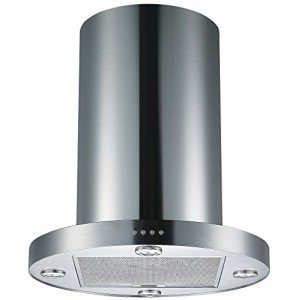
Having a hob in your island includes an intriguing focal point to the space and works really well with open-plan kitchen concepts. It also permits you to see what is cooking and motivates social interaction whilst food is being prepared.
It is very important to guarantee that you abide by gas guidelines by having a clear area of 30cm or 15cm on either side of the hob for security and office. You'll likewise need to consider ventilation and extraction.
1. Area
A hob on an island can include an extra level of function and make the kitchen a central center for your home. It can likewise help you produce a more liveable area and save space that may have been taken up by sinks or cabinets.
Choosing to position your hob on an island can also open up a range of storage options and give you a work surface area that is versatile, versatile, and easy to tidy. However, it's essential to bear in mind that a hob will use up important counter top space. This can restrict the amount of space you have for other activities like meal prep and serving. In addition, a hob on an island can lead to more noticeable splatters and mess, making it harder to keep the location looking beautiful.
It's important to remember that when you install a hob on your island, you may need to consider ventilation and extraction systems. This can include aspirating hoods connected to the ceiling, downdraft extractors that increase out of the island when not in use, and filters constructed into the hob itself. This can contribute to the expense and intricacy of installing an island hob, but it's essential for guaranteeing appropriate ventilation to prevent harmful gases, such as carbon monoxide, from developing up in the kitchen.
One of the biggest benefits of having a hob on an island is that you can separate it from the sink. By doing so, you can centre your sink and construct outwards from either side of it to attain symmetry and balance in the general design. This can help to get rid of some of the visual clutter from the space that can in some cases be triggered by having a sink on an island, consisting of dishcloths, washing-up liquid, tea towels, and so forth.
It's likewise worth remembering that you will require to guarantee that your hob is a safe distance away from the end of your unit run and any high systems for security and regulations purposes. Conrad suggests a minimum of 60cm from the end of your island to a tall cabinet.
2. Social
A central hob in your kitchen island can make for a social hub, motivating guests and relative to interact while the cook prepares meals. This can work particularly well if you have an open-plan home and kitchen. In regards to functionality, putting your hob in the island can also make meal preparation more structured and effective, enabling you to keep other locations of the kitchen complimentary from mess.
Another advantage of an island hob is that it can give you more presence of what you're doing, making it much easier to watch on your cooking and avoid spills or splashes. Nevertheless, this can be a disadvantage for some people as it can expose the cook to a great deal of distractions and sound.
For this reason, many individuals select to have their sink in the island separate from the hob, reducing the quantity of devices they have on display screen and producing a more streamlined kitchen layout. This is especially popular with Belfast sinks, which can be a trendy addition to your kitchen and help you keep unclean dispense of sight.
One thing to bear in mind when preparing a kitchen island with a hob is that you'll need to leave adequate area either side of the cooking area to abide by gas policies. In order to prevent unintentionally touching the flame or the hot surface, you'll need a minimum of 30cm on each side for gas hobs and 15cm for induction hobs.
When it comes to kitchen islands with a hob, you'll likewise need to consider your kitchen ventilation choices, as it's crucial to have adequate ventilation in an open-plan kitchen. For this, it's normally suggested that you install a cooker hood directly above the hob, which will provide more efficient ventilation and prevent the accumulation of smoke, steam and cooking odours. These hoods can either vent directly to the exterior through a window or recirculate filtered air back into the room. A downdraft system is likewise a good alternative for kitchens with an island hob, as it provides more powerful ventilation than standard extractor fans.
3. Storage
A kitchen island can be a table or food preparation surface however also plays host to your hob and sink. This creates a social center to entertain visitors and household whilst you cook and tidy, and is a fantastic way to optimise space by eliminating the need for base cabinets against walls.
However, this does require the included difficulty of ensuring sufficient ventilation and extraction for cooking fumes. An island hob requires to be fitted with a hood that efficiently records smoke and odours at the source, and is developed with streamlined and integrated performance to fit in flawlessly with your island style.
Depending on your kitchen design and personal preference, you can go with a vented hob that requires a separate extractor hood or surface-based alternatives like a glass draft hood that sits flush with the induction hob to form a trendy and inconspicuous setup. Guarantee that you pick a venting hob with the proper size and ventilation power to fit your island cooktop, taking into account style compatibility with your kitchen design, electrical or gas connections, and any structural modifications required.
Additionally, you could think about an open shelving option that's tucked into the island overhang, as this can be a charming focal point for your kitchen style. This can be a fantastic way to display beautiful wooden boards, reactive glaze-ware crockery or artisanal glassware and adds charm to your homely kitchen. This style of storage works particularly well for smaller sized kitchen areas, as it does not require a great deal of area and is easy to keep tidy with a couple of thoroughly curated bits and pieces on show rather than a mess of utensils in a cupboard. If you aren't an overall minimalist, install some hooks under the overhang of your island to dangle mugs and treasured cooking utensils from to give the space a customised touch.
4. Security
A hob put on an island is ideal for developing a dedicated cooking area while keeping your kitchen open and social. It can likewise be utilized to increase effectiveness by permitting the cook to interact with guests or family seated around the table while food is being prepared.
Similar to all kitchen devices, security is a key issue when installing an island hob. The hob should be positioned at a proper height to prevent mishaps and ensure that it is not too near to other combustible materials. For added assurance, select a hob with safety features such as hot-plate indicators and a power cut off switch. If you are using your island for seating, make certain that there is sufficient space behind the hob so that anybody taking a seat does not get too close to any hot pans.
Ventilation is likewise an essential factor to consider when planning an island hob, and there are a variety of alternatives offered to meet your requirements. For instance, a venting hob incorporates ventilation straight into the cooktop for a streamlined and unobtrusive design. This alternative is best for lowering steam and odours while cooking, making your kitchen more comfortable and hassle-free to use.
There are also wall mounted extractors that can be incorporated into a wall above the hob, supplying effective ventilation without affecting on your kitchen's design or obscuring the view of your island. You could even go with a downdraft extractor, which is installed beneath the surface of the hob and pulls air down through ducting in the ceiling.
If you select to set up a gas hob on your island, it's vital that it is correctly installed by a Gas Safe engineer. In addition, you need to make sure that there suffices clearance area on either side of the hob to prevent tripping or unexpected spills. Lastly, when choosing your counter top, choose a resilient material that can hold up against heat and moisture.